
Fence FAQ
Explore answers about chain link, ornamental, security, wood, specialty, and privacy fencing.
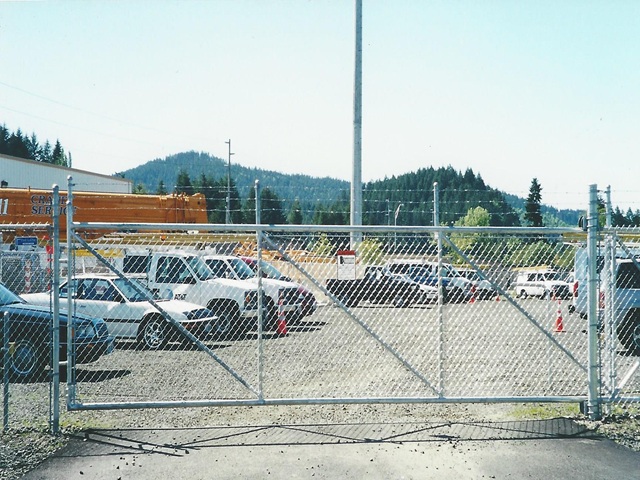
Chain Link FAQ
Yes. Chain link fencing is one of the most practical options for defining boundaries, protecting utility areas, enclosing yards, and securing commercial spaces.
Helpful references: ASTM F567 chain-link installation standard, Washington RCW Chapter 16.60.
Permit needs depend on the local jurisdiction, fence height, location, materials, and whether the fence is near easements, roads, corners, or flood-prone areas.
Helpful reference: Seattle SDCI fence permit guidance.
Lifespan depends on material quality, coating, soil conditions, drainage, installation, and exposure. Galvanized or coated systems generally perform better over time.
Helpful reference: ASTM F567.
Chain link can be upgraded with privacy slats, screens, windscreens, or strategic placement depending on the property’s needs.
Helpful reference: local fence height and permit guidance.
Security depends on height, post spacing, fabric gauge, gate hardware, visibility, top treatment, and how the fence connects to surrounding structures.
Helpful references: CISA security guidance, WBDG UFC security fences and gates.
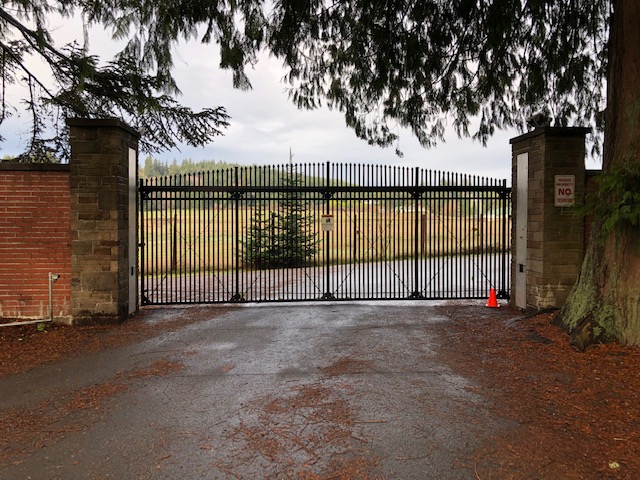
Ornamental FAQ
Ornamental fencing is ideal when you want security and structure without blocking visibility. It works well for front yards, driveways, businesses, decorative boundaries, and properties where curb appeal matters.
Helpful references: Washington RCW Chapter 16.60, Seattle SDCI fence guidance.
Permit requirements depend on the city, county, fence height, location, and property conditions. Even decorative fencing can be subject to height limits, corner visibility rules, easements, and HOA requirements.
Helpful reference: Seattle SDCI fence permit guidance.
Yes, ornamental fencing can provide strong perimeter definition and controlled access, especially when paired with properly planned gates, hardware, and layout. Its open design also keeps visibility high.
Helpful references: CISA security guidance, WBDG UFC security fences and gates.
Fence height should be chosen based on the purpose of the fence, the property location, visibility needs, and applicable local rules. A decorative front fence may be shorter, while a security-oriented perimeter may need more height.
Helpful reference: local fence height guidance.
Yes. Ornamental fencing can often be planned around property layout, gate placement, grade changes, decorative preferences, and security needs. The best results come from matching the design to the property’s architecture and use.
Helpful reference: ASTM F2408 ornamental fence systems standard.
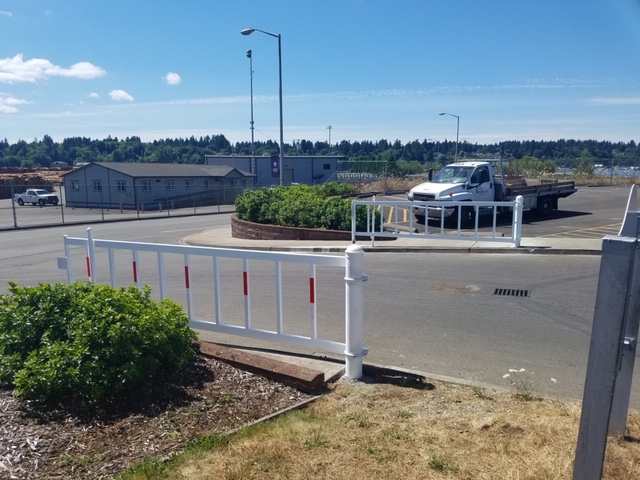
Security FAQ
A security fence should be planned around height, visibility, material strength, gate control, post spacing, and how the fence connects to the rest of the property.
Helpful references: CISA security guidance, WBDG security fences and gates guidance.
Chain link is commonly used for security because it is durable, visible, cost-effective, and adaptable. It can be improved with heavier fabric, stronger posts, gates, and commercial hardware.
Helpful reference: ASTM F567 chain-link installation standard.
Yes. Gates are often the most-used and most-stressed part of a security fence system. They should be planned for width, swing or slide direction, hardware, access needs, and daily traffic.
Helpful reference: UFC security fences and gates guidance.
Permit needs vary by city and county. Security fences may trigger review because of height, location, gates, setbacks, visibility at intersections, or nearby easements.
Helpful references: Seattle SDCI fence guidance, Washington RCW Chapter 16.60.
Security fencing can often be upgraded with stronger gates, better hardware, added height where allowed, improved sightlines, or redesigned access points.
Helpful reference: CISA security best practices.
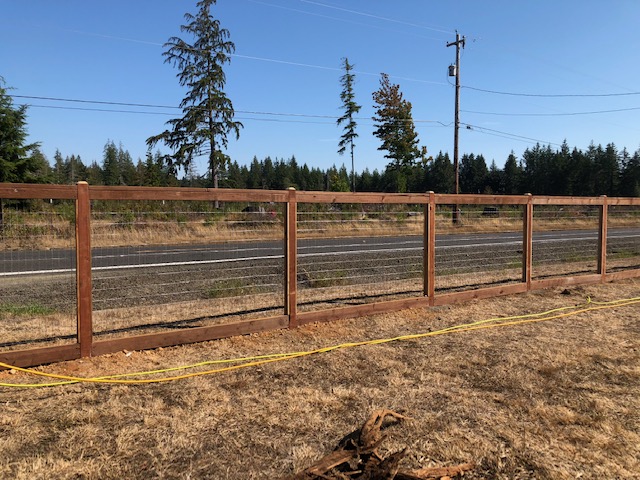
Wood FAQ
Wood fencing is a strong choice for homeowners who want privacy, warmth, curb appeal, and design flexibility. It can be built in many layouts and heights depending on the property and local rules.
Helpful references: local fence permit guidance, Washington fence law.
Wood fence lifespan depends on wood type, treatment, drainage, soil contact, weather exposure, and maintenance. Proper installation and upkeep can make a significant difference.
Helpful reference: USDA Forest Products Laboratory wood durability guidance.
Wood fences may require permits depending on height, location, city or county rules, and site conditions. Front-yard, side-yard, and rear-yard height limits may differ.
Helpful reference: Seattle SDCI fence guidance.
Yes. Wood is one of the most common choices for privacy fencing because it can be built with solid boards, overlapping boards, or custom spacing to reduce visibility.
Helpful reference: fence height and permit guidance.
Wood fencing should be inspected periodically for loose boards, gate issues, moisture damage, vegetation contact, and finish wear. Maintenance helps preserve both appearance and function.
Helpful reference: USDA wood finishing and maintenance guidance.

Specialty FAQ
Specialty fencing covers projects that need custom layouts, non-standard materials, unusual gate placement, challenging terrain, security planning, or a unique finished look.
Helpful references: Washington RCW Chapter 16.60, local fence permit guidance.
Usually, yes. Specialty fencing often requires more careful planning because the layout, purpose, site conditions, and gate needs may not fit a standard fence approach.
Helpful reference: WBDG security fences and gates guidance.
Yes. Many specialty projects combine wood, chain link, ornamental, privacy, or security features depending on the property’s needs and appearance goals.
Helpful references: ASTM F567 chain-link standard, ASTM F2408 ornamental standard.
Yes. Specialty or custom fencing still needs to follow local requirements related to height, setbacks, visibility, easements, and property boundaries.
Helpful reference: Seattle SDCI fence guidance.
The right specialty fence depends on your property layout, privacy needs, security concerns, visual goals, gate usage, and budget. A good design balances function and appearance.
Helpful reference: CISA security planning guidance.

Privacy FAQ
Privacy fencing is best for blocking sightlines, enclosing outdoor areas, defining property boundaries, and making a yard feel more comfortable and protected.
Helpful references: local fence height guidance, Washington fence law.
Height limits depend on local jurisdiction and yard location. Many areas have different rules for front yards, side yards, backyards, and corner lots.
Helpful reference: Seattle SDCI fence permit guidance.
Privacy fencing is commonly built with wood, solid panels, specialty materials, or configurations that reduce visibility. The best choice depends on the look, budget, maintenance expectations, and property layout.
Helpful reference: USDA wood durability guidance.
Privacy fencing can improve boundary control by limiting visibility and creating a more defined enclosure. For security-focused properties, gate hardware, layout, and material strength should also be considered.
Helpful references: CISA security guidance, WBDG fences and gates guidance.
Before installing a privacy fence, consider the property line, local rules, fence height, gate locations, visibility at driveways, drainage, and the long-term maintenance of the material.
Helpful references: Seattle SDCI fence guidance, Washington RCW Chapter 16.60.
Get Started
Talk with our team about your property, goals, and options. We’ll help you move forward with a clear plan.